Your Garden's Soil Is Making Design Decisions Behind Your Back
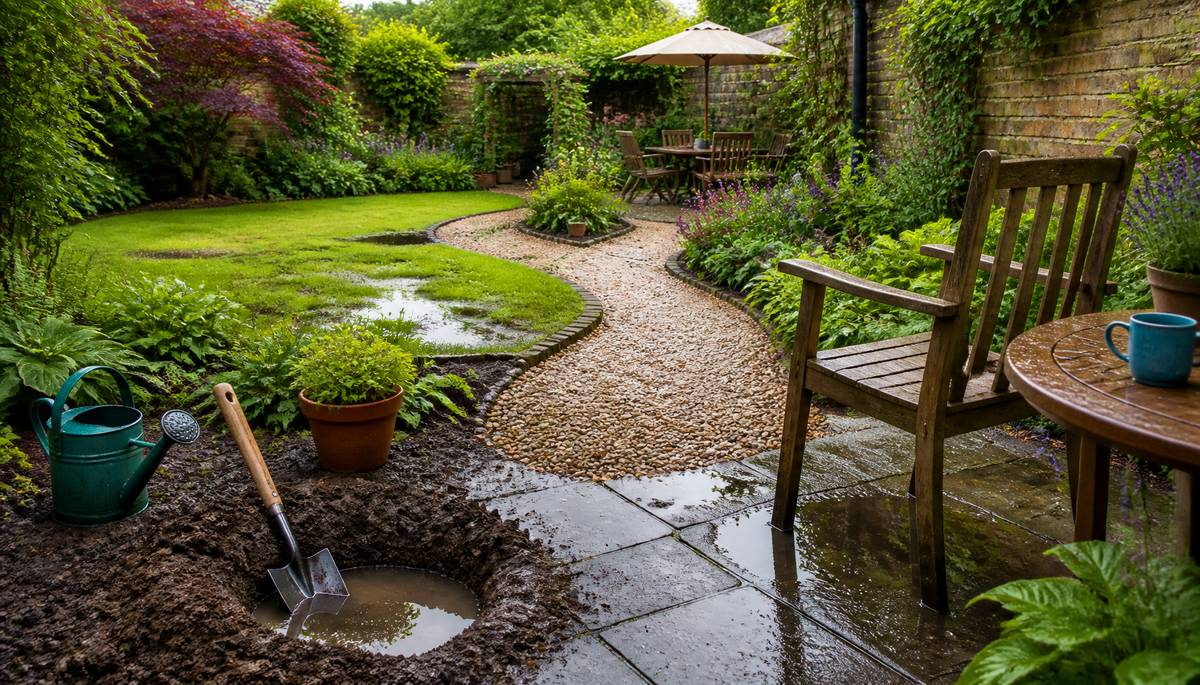 A garden can look wonderfully cooperative while quietly plotting against every expensive idea you bring home. That elegant gravel path, the neat lawn, the sun-loving lavender and the dining set positioned for lazy summer evenings all depend on something far less glamorous than a mood board: the ground beneath them. Soil does not care how convincing a plant label sounds or how photogenic a paving sample looks. It has its own opinions, and it expresses them through puddles, dying roots and chairs that sink one leg into the earth at the least dignified moment.
Before choosing plants, surfaces or furniture, it pays to understand what is already happening below ground level. A few simple observations can prevent years of frustrated watering, patching and wondering why one corner of the garden behaves like a small wetland every November.
Clay Has a Long Memory
Clay soil holds water tightly and drains slowly. In dry weather it can bake hard enough to make a trowel feel like an optimistic suggestion; in wet weather it becomes sticky, heavy and remarkably good at clinging to boots. This does not make a clay garden hopeless. It simply means the design needs to work with its character.
Plants that dislike wet roots may struggle during winter, even if the same bed becomes bone-dry in summer. Mediterranean plants, many lavenders and some herbs can look perfectly happy at first, then abruptly lose enthusiasm after a long spell of rain. Raised beds, improved drainage and carefully selected plants can make a major difference, but the existing soil should guide the plan from the beginning.
A basic test is wonderfully unscientific-looking but useful: dig a small hole, fill it with water and see how long it takes to disappear. If it remains full many hours later, drainage deserves attention before planting anything that expects dry feet.
Compaction Is Not Just a Lawn Problem
Compacted ground occurs where soil has been repeatedly walked on, built over, driven across or simply left to settle under heavy rain. Water struggles to penetrate it, roots cannot spread easily and lawns can become thin, muddy or oddly resentful. A garden may contain decent soil beneath the surface, but if the upper layer has been squashed flat, plants will still find life difficult.
Pay particular attention to routes between gates, sheds, washing lines and seating areas. These are the places people naturally cross, often turning grass into a narrow strip of tired earth. Rather than repeatedly reseeding the same doomed line, consider making it a proper path. Gravel, permeable paving or stepping stones may suit the site better than pretending everyone will politely walk around the edge.
Aerating compacted lawn areas, adding organic matter to beds and avoiding work on saturated soil can gradually improve structure. Stomping around a waterlogged border to “sort it out” usually adds another chapter to the problem.
Shade Changes More Than Plant Choices
Shade is not a single condition. A border shaded by a wall may be dry because rain rarely reaches it, while an area beneath dense trees can be both shaded and thirsty as roots compete for every drop. A spot shaded by a building may stay cool and damp for much of the year. Treating all shade as the same can lead to a collection of unhappy plants arranged with great care.
Spend time watching the garden at different points in the day. Notice where sunlight lands in the morning, where it lingers in late afternoon and which areas remain damp after rainfall. A seating area that looks ideal on a sunny plan may turn out to be permanently chilly, mossy or positioned beneath a branch with an unfortunate interest in dropping leaves into tea.
Shade also affects materials. Timber decking in a damp, enclosed corner may need more maintenance than expected. Smooth paving can become slippery where sunlight rarely reaches it, while lawns may thin beneath trees and become muddy during wet spells. Choosing surfaces with grip, allowing for drainage and selecting shade-tolerant planting can make those areas feel intentional rather than like the garden’s awkward spare room.
Water Always Finds the Honest Route
Rainwater exposes a garden’s real layout. It will show where ground falls, where soil has compacted, where paths need edging and where a patio might send runoff towards the house rather than away from it. Watching the garden during heavy rain is one of the most useful forms of research available, although it does require accepting that the weather has chosen the meeting time.
Look for standing water, channels cut into bare soil, overflowing gutters and areas where water collects beside walls or fences. Small adjustments can have a large effect: a gentle change in level, a drain, a gravel-filled channel, more permeable paving or planting that tolerates moisture. The aim is not to make every inch of the garden dry. A damp corner can support excellent planting and wildlife. The problem begins when water is trapped where paths, lawns, foundations or seating areas need firmer ground.
Getting to the Root of It
Good garden design begins with a little restraint. Take photographs after rain, dig a few test holes, check the soil texture and observe the light before buying plants or committing to materials. These small investigations reveal whether the garden needs drainage, raised beds, tougher grass, a more forgiving path or a different place to sit.
A garden becomes easier to enjoy when its design respects the conditions already there. Soil is not an obstacle to defeat; it is the quiet partner shaping every successful decision. Listen early, and it may even let that new garden chair keep all four legs on the ground.
|
|

