From Feasibility to Approval: Understanding the Full Planning Journey in the UK
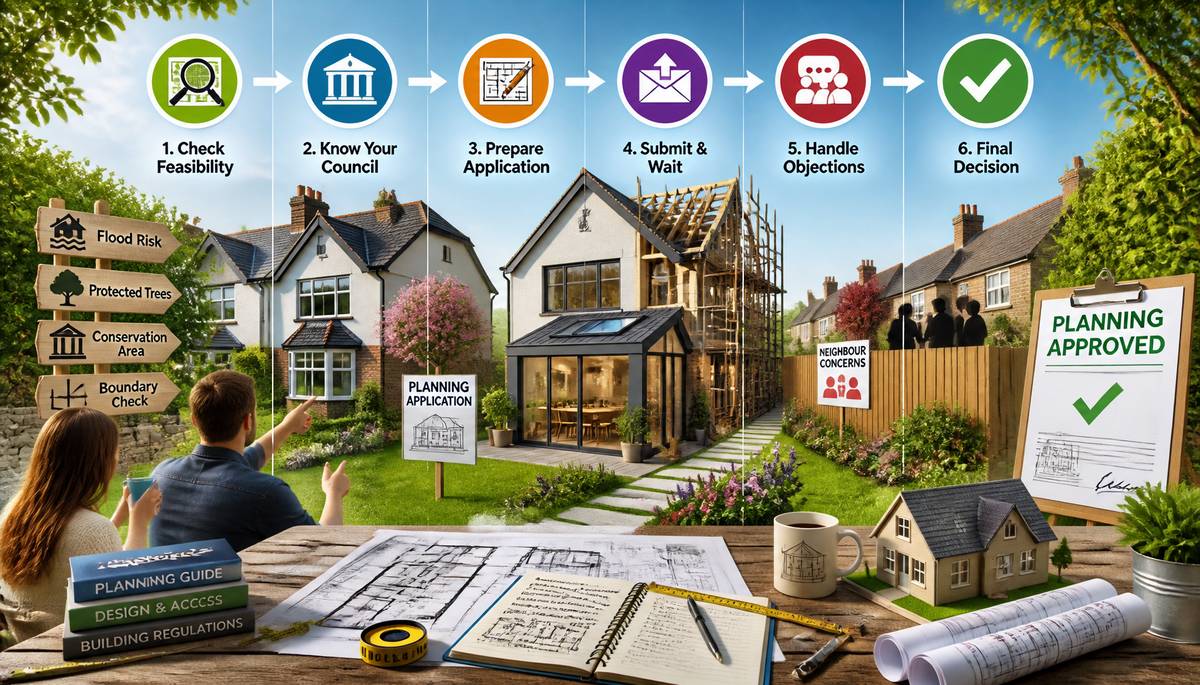 If you’re a homeowner thinking about changing your property, the planning system in the UK can feel like stepping into a giant maze. What starts as a simple idea, maybe a loft conversion, a small extension, or a garden project, can quickly turn into a bunch of forms, rules, and questions that you didn’t even know existed. But honestly, it doesn’t have to be stressful if you take it step by step.
First Things First: Is It Even Possible?
Before you start drawing plans or buying materials, it’s worth checking if your idea is even doable. Things like flood risks, conservation areas, or protected trees can throw a spanner in the works. Even small details, like a slope in the garden or a boundary line you hadn’t noticed, can make a big difference.
Getting a quick chat with a professional at this stage can save you a lot of headaches. They’ll often spot issues you’d never think of and might even suggest a different approach that works better.
Know Your Council
Most people assume all councils work the same way. They don’t. Two councils can read the same rules completely differently. Some care a lot about design and materials; others worry more about parking or neighbour impact.
Early involvement from experienced planning consultants — including those found via searches like planning consultants near me — helps prevent delays later in the process.
Putting Together the Application
This is where most people hit a wall. A planning application isn’t just a form; it’s more like a little project in itself. You’ll usually need drawings, a short explanation of what you want to do and why, and sometimes extra reports (drainage, trees, traffic, depending on the project).
Making it clear and complete from the start is key. Missing info is the fastest way to get stuck in delays. Working with planning consultants near me ensures everything is in order from the beginning, so you’re not waiting ages for the council to ask for more.
Submitting and Waiting (Yes, Patience Is Key)
Once it’s submitted, you’ve basically got to sit tight. Eight weeks is the usual target, but complex cases or ones with objections can take longer. Having someone experienced helping you makes a huge difference; they can chase updates, respond to queries quickly, and keep things moving without you constantly checking emails.
Handling Objections Without Losing Your Cool
Neighbors or the council might have concerns. Some are minor, some more serious. A consultant can help you figure out which ones matter and how to respond properly.
Often it’s just a small tweak that does the trick, moving a window, lowering a roof, or adding some extra landscaping. You don’t have to stress; a little adjustment early can avoid major headaches later.
Getting the Final Decision
Eventually, you’ll get a decision. Approval can come with conditions, things like the materials you use, when you’re allowed to carry out the work, or specific landscaping rules. It’s important to know what these are, because missing or ignoring them can cause headaches later on.
If it’s refused, don’t panic. You can usually tweak the plans and resubmit, or in some cases, appeal. Having someone who’s been through it all before makes this part much less stressful and increases your chances of success.
Final Thoughts
At first, the UK planning process can feel like a real headache, but if you just take it one step at a time, it’s really not as bad as it seems. Checking feasibility, understanding local rules, preparing a strong application, dealing with objections, and finally getting approval, it all comes together if you know what to do.
A bit of professional advice can take the weight off your shoulders. It stops you from making mistakes, helps keep things moving, and makes the whole process way less stressful. With some preparation, patience, and guidance, you can get through it and actually feel like you know what’s going on, instead of feeling lost in paperwork.
|
|