Incinerators: A Critical Component in Modern Waste Management Systems
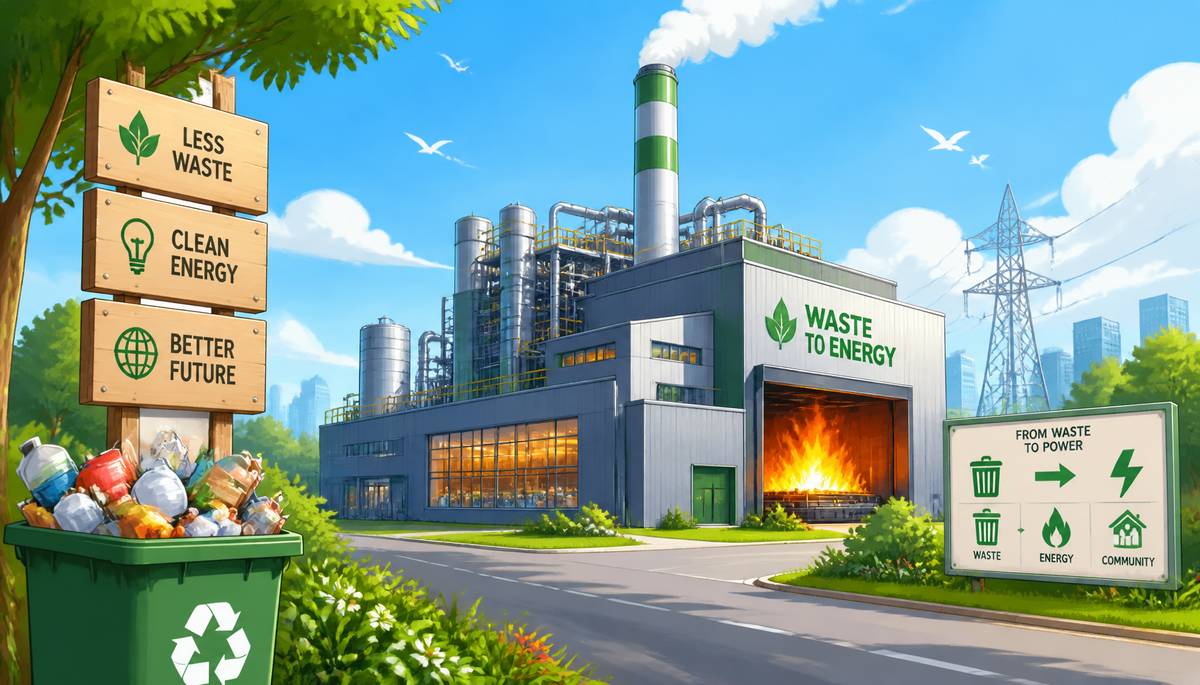
Waste Not, Want NotTaking out the trash may seem like a mundane chore, akin to deciding how to eat a pudding cup without getting it everywhere. But behind those kitchen bins lies a myriad of options for dealing with our refuse. Among these, incinerators stand out as a fiery solution that transforms waste into energy—without the side effects of spontaneous combustion (usually). So, what’s the deal with incinerators, and why should we care? Well, hold onto your recycling bins because things are about to heat up—figuratively, of course.How Do They Work?To understand incinerators, one must first appreciate their inner workings. Think of them as large ovens, only instead of baking cookies, they’re roasting trash like a poorly executed barbecue. Incinerators burn solid waste at high temperatures, reducing it to ash, gas, and heat, while simultaneously producing energy that can be harnessed. The basic steps in their operation include:- Loading the waste into a combustion chamber—no, not your aunt's fruitcake.
- Igniting the fire—preferably with a match, not an explosive.
- Allowing combustion to occur at high temperatures to ensure complete breakdown.
- Collecting energy output along with a modest amount of ash.
As waste turns to smoke, it’s not just any smoke—think of it as a talented magician making things disappear. Poof! But unlike Houdini, incinerators leave behind a residue, which can be managed in various ways, ensuring that the magic doesn’t end in a pile of regrets.The Benefits of Burning TrashWhile the idea of setting fire to our unwanted goods might raise some eyebrows (as well as alarm bells), there’s a method to the madness. The benefits of incinerators can make even the most steadfast environmentalists reconsider their stance on fire safety. Here are some highlights:- Volume Reduction: Incinerators can reduce waste volume by up to 90%, leaving you with a charming little pile of ash instead of a towering landfill.
- Energy Recovery: Why not turn trash into treasure? Incinerators can generate electricity and heat, making waste an unlikely superhero.
- Lower Greenhouse Gases: Properly functioning incinerators can emit fewer greenhouse gases compared to landfilling. Just think of them as a more eco-friendly pyromaniac.
Sure, some might argue the environmental impact and focus on emissions, but let’s be real—who wants a mountain of garbage in their backyard when you can have a cozy ash hill? The ConcernsOf course, nothing comes without a few caveats. While incinerators have their sparkly benefits, they also bring forth some fire-breathing dragons that need to be tamed. A notable concern is the potential release of harmful dioxins and particulate matter into the atmosphere. It’s a bit like inviting a friend over for movie night and suddenly finding out they brought their pet alligator—exciting until it starts munching on your snack bowl.Regulations and technology advancements have made modern incinerators significantly safer and more efficient than their predecessors. Advanced filtration systems and rigorous monitoring make it possible to mitigate the negative impacts. Yet, one can’t help but wonder if we’re just trading one evil for another.Future InnovationsAs the world shifts toward more sustainable practices, the future of incinerators may not be as smoky as it once seemed. Research teams are cooking up improvements that could transform how we deal with waste altogether—think of them as culinary wizards in the world of rubbish.Some innovations include:- Plasma Gasification: Turning waste into a plasma state, resulting in usable syngas. It’s like turning lead into gold, but much messier.
- Advanced Emission Control: New technology aims to capture and neutralize emissions before they escape into the wild.
- Waste to Energy Systems: Integrating incineration with renewable energy sources to create a harmonious energy dance.
These advancements open the door to a more sustainable waste management future, where incinerators can be the charming but misunderstood creatures of the waste world.Burning QuestionsWhile incinerators certainly aren’t the first thing that comes to mind when considering waste management, they play a pivotal role. They stand at the ready like knights in shining armor, willing to take on our trash and turn it into energy. Embracing this fiery process with a sprinkle of innovation can lead us toward a more sustainable future—hopefully without any flaming disasters along the way.
|
|

